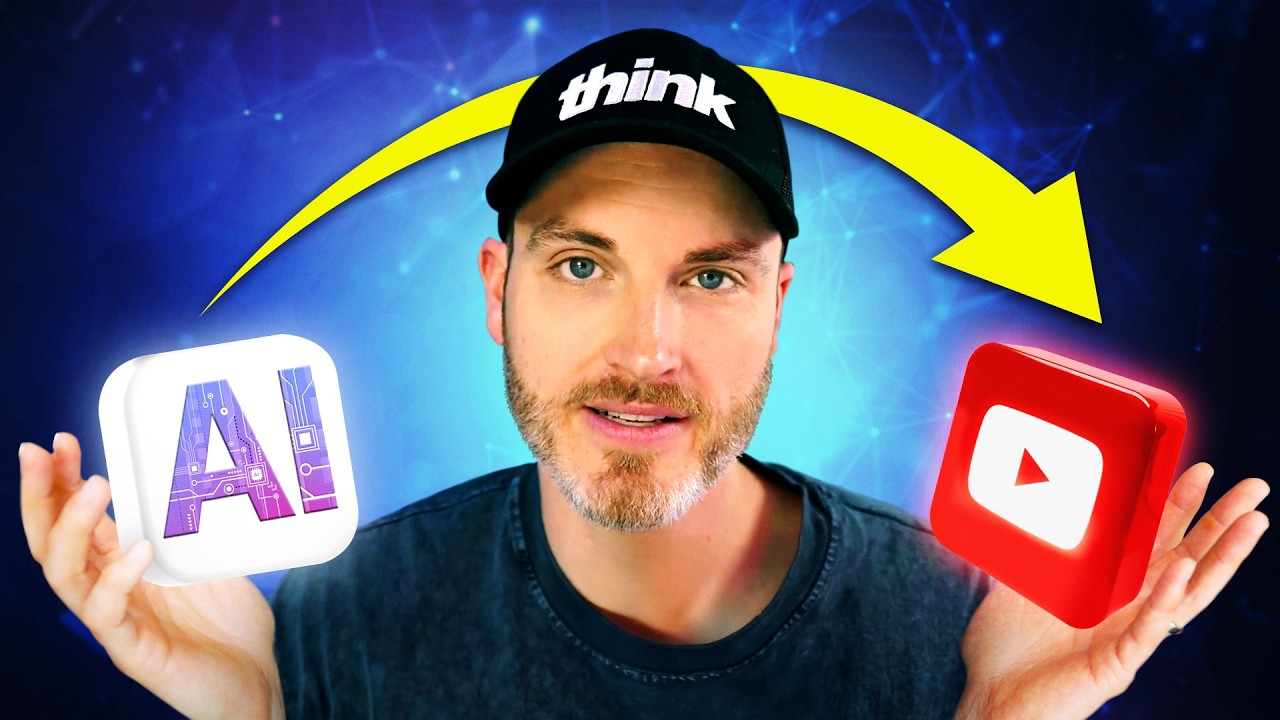
Creating engaging videos from text can seem like a daunting task, especially for those who may not have a background in video production or editing. However, advancements in artificial intelligence have made it increasingly feasible to generate videos from written content easily and quickly. This step-by-step guide will walk you through the process of using AI to turn your text into captivating videos, whether you're a marketer looking to enhance your campaigns or a content creator aiming to diversify your offerings.
Understanding AI Video Generation
AI video generation involves using algorithms and machine learning models to create videos based on textual input. This technology has evolved significantly, enabling users to produce high-quality videos without extensive technical skills or expensive equipment. At its core, this process typically includes several key components: text analysis, scene selection, visual rendering, and audio integration.
The Appeal of Text-to-Video Technology
The ability to convert written content into video format opens up various possibilities for businesses and creators alike. Video content tends to engage audiences more effectively than static images or text alone. Consider the fact that according to some studies, viewers retain 95% of a message when they watch it in a video compared to just 10% when reading it in text form. By leveraging AI video generators, you can transform blog posts, articles, scripts, and even social media updates into visually appealing videos that capture attention.
Choosing the Right AI Video Generator
Before diving into the actual creation process, selecting an appropriate AI video generator is crucial. Various tools exist, each with unique features suited for different needs:
Automated Content Creation: Some platforms excel at generating videos based on long-form text or articles. Social Media Focused Tools: Others are tailored specifically for creating short-form content ideal for platforms like TikTok or Instagram Reels. Customizable Options: Many generators offer customization features that allow you to tweak visuals and add branding elements.When evaluating these options, consider what type of content you'll be producing most frequently and what level of customization you desire.
Preparing Your Text Content
Once you've chosen your tool, it's time to prepare the https://videogentools.theglensecret.com/rapid-ai-video-generator-online-speed-meets-quality text you want to convert into video. Clear and concise writing is essential as it helps ensure that the AI can accurately interpret and visualize your ideas. Here are some tips for preparing your content:
- Be Direct: Use straightforward language that conveys your message without unnecessary jargon. Structuring Matters: Organize your text logically; breaking it down into sections can help the AI understand how to segment visuals. Incorporate Keywords: If you're focusing on SEO aspects for platforms like YouTube or TikTok, include relevant keywords naturally in your script.
This preparation phase sets the stage for effective transformations as many generators rely heavily on context clues within the provided text.
Generating Your Video
Now comes the exciting part—generating your video! Most AI tools will require you simply to paste in your prepared text and select any desired settings regarding style or format. Here's how this process generally unfolds:
Input Your Text: Paste your script into the designated area of the platform. Select Visuals: Depending on the AI software you’re using, you may have options for automated image sourcing or stock footage integration. Choose Audio Options: Many generators allow you to add voiceovers either through pre-recorded audio or synthesized speech generated by AI. Customize Visual Elements: Adjust colors, fonts, transitions, and other design elements according to your branding requirements. Preview & Edit: Before finalizing everything, review the generated video closely for any adjustments needed in pacing or visuals.By following these steps carefully within most user-friendly interfaces of AI tools designed for beginners or advanced users alike, you'll find creating engaging videos from text is surprisingly intuitive.
Enhancing Your Video with Additional Features
To elevate your generated video further, consider incorporating additional elements that contribute to its overall impact:
- Subtitles & Captions: Many viewers appreciate subtitles as they enhance understanding while making content accessible for different audiences. Background Music: Adding music can set a tone for your video; ensure it's royalty-free if you're posting commercially. Interactive Elements: Some advanced tools allow adding interactive features that encourage viewer engagement.
These enhancements not only improve viewer retention but also make sharing across social media platforms much more effective.
Post-Production Considerations
Even though you've used an automated generator, post-production remains important:
- Quality Check: Ensure there are no typos in captions or errors in scenes. Optimize Format & Size: Depending on where you'll upload the video (YouTube vs Instagram), formats might differ; make sure you adhere to platform-specific guidelines regarding dimensions and file sizes.
Incorporating these considerations ensures that your final product is polished and professional-looking.
Real-Life Applications of Text-to-Video Technology
Understanding how others leverage this technology provides insight into its versatility:
Marketing Campaigns: Brands create promotional videos summarizing blog posts or product details quickly. Educational Purposes: Educators transform lectures into engaging visual materials that capture students' attention better than traditional methods. Content Diversification: Influencers repurpose existing written content across platforms by converting articles into informative videos.These examples showcase how businesses use AI-generated videos effectively across various industries while enhancing their reach and engagement with audiences.
Conclusion—Embracing Future Possibilities
As technology continues evolving rapidly within digital marketing landscapes and content creation realms alike, embracing these advancements becomes essential for staying competitive—and nothing exemplifies this better than harnessing AI-powered tools effectively tailored toward producing compelling visual narratives from textual foundations.
With practice and creativity at hand alongside quality resources available today ranging from free versions offering basic functionalities up through premium options delivering comprehensive features—the sky is truly the limit when transforming words into dynamic viewing experiences!